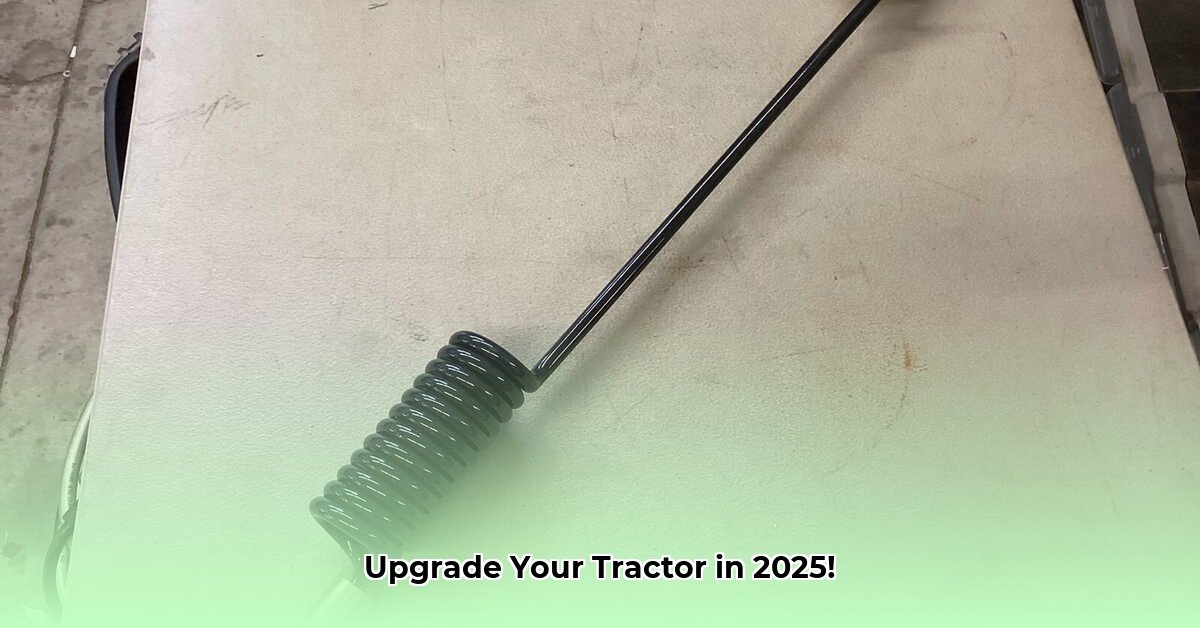
Hydraulic Hose Holders: A Simple Solution for Significant Gains
Dealing with tangled hydraulic hoses on your tractor is frustrating, time-consuming, and potentially dangerous. It leads to wasted time searching for the right hose, increased risk of damage to the hoses or even injury from tripping, and ultimately, reduced efficiency. But what if there was a simple, cost-effective solution? Enter the hydraulic hose holder. This unsung hero of farm equipment can dramatically improve your tractor's performance and your overall farm productivity. In this article, we explore the benefits of hydraulic hose holders and guide you through selecting and installing the right one for your needs. For more information on tractor hydraulic systems, check out this helpful resource.
Why Choose a Hydraulic Hose Holder? The Case for Efficiency and Safety
Imagine this: you're in the midst of a critical field operation, and precious minutes are lost untangling a chaotic mess of hydraulic hoses. This isn't just inconvenient; it's costly. According to a recent study by the American Society of Agricultural and Biological Engineers (ASAE), farmers lose an average of 15 minutes per day dealing with tangled hoses. That translates to significant downtime over the course of a season. A well-designed hydraulic hose holder eliminates this headache, keeping hoses organized, accessible, and protected.
A significant advantage? Improved safety. Tangled hoses create a tripping hazard, posing a risk of injury to the operator. An organized system minimizes this risk, contributing to a safer working environment. "Investing in safety measures like hydraulic hose holders isn't merely a cost; it's an investment in the well-being of your workforce and the smooth operation of your farm," says Dr. Emily Carter, Agricultural Engineer at Purdue University. This proactive approach reduces the potential for accidents and associated costs. A properly organized hose system can save you not just time, but also money and potential injury.
Selecting the Perfect Hose Holder: A Step-by-Step Guide
Choosing the right hydraulic hose holder involves several key considerations to ensure compatibility and long-term performance. Remember, the best hose holder is one that is specifically tailored to your equipment and operational needs.
1. Tractor Compatibility: A Perfect Fit
Begin by carefully measuring your tractor and identifying available mounting points. Some hose holders are designed for specific tractor models, while others offer universal compatibility. Ensure the chosen holder fits securely and leaves ample clearance for other equipment and operations. An ill-fitting holder can lead to instability and potential damage.
2. Hose Dimensions and Types: Matching the Right Holder
Different hoses have varying dimensions and materials. The holder must securely accommodate the size, number, and type of hoses used on your tractor. Don't skimp on compatibility; a poorly fitted holder could damage the hoses themselves.
3. Mounting System: Security and Durability
The mounting system plays a key role in the overall stability and performance of the holder. Options include direct bolting, clamping, or specialized attachments. Prioritize robustness and ease of installation. A secure mounting system is essential for preventing movement during operation, ensuring the safety and efficiency of the setup.
4. Material and Durability: Withstanding the Elements
Farm equipment endures harsh conditions. Your hose holder must withstand dust, moisture, extreme temperatures, and potential impacts. Opt for durable materials such as powder-coated steel or high-impact plastics to ensure longevity and resistance to corrosion or degradation. Investing in quality materials upfront prevents premature failure and reduces replacement costs in the long run.
5. User-Friendliness: Ease of Use for Efficiency
The ideal hose holder is easy to use and maintain. Features like quick-release mechanisms, easy hose routing, and intuitive design save valuable time and effort. The holder should streamline your workflow, not hinder it.
Installing and Maintaining Your Hydraulic Hose Holder
Installation is typically straightforward; however, always refer to the manufacturer's instructions for detailed guidance. A carefully executed installation process maximizes the holder's effectiveness and longevity.
- Preparation: Gather necessary tools and carefully review the installation manual.
- Mounting: Securely attach the hose holder to designated mounting points on the tractor. Double-check all fasteners.
- Hose Organization: Arrange your hoses neatly and securely. Avoid kinks or twists that could restrict flow or damage the hoses.
- Testing: Before operation, inspect the holder and hoses thoroughly. Ensure all connections are secure, and the hoses move freely.
Regular maintenance, including periodic inspections for wear and tear, will extend the lifespan of your hose holder.
Long-Term Benefits: Beyond Efficiency — Safety and System Longevity
The advantages of hydraulic hose holders extend beyond immediate time savings. They enhance safety by eliminating tripping hazards, prevent hose damage which reduces costly repairs, and ultimately contribute to the extended lifespan of your hydraulic system. This holistic approach results in long-term cost savings and increased operational efficiency.
The Future of Tractor Hose Management
While basic hose holders offer a practical solution today, future advancements might include automated hose management systems. For now, a robust and well-maintained hydraulic hose holder is a smart investment that offers immediate, quantifiable benefits.
Conclusion: Investing in Efficiency and Sustainability
The initial cost of a hydraulic hose holder is minimal compared to the long-term benefits it offers in terms of increased efficiency, improved safety, and reduced maintenance costs. It's a small investment that pays significant dividends in time saved, injury prevention, and overall operational cost reduction. Consider it a crucial step towards optimizing your farm's productivity and sustainability. Don't underestimate the impact of a simple solution that greatly improves your daily operations.